
Research & Insights


Understand the mechanisms behind recovery, optimization, and biological performance at a deeper level.

50+
Published Studies Behind Our Ingredients

5
Products with Linked Research

200+
Clinical Studies Behind Albion Minerals Alone

0
Fillers or Hidden Ingredients

Our Formulation Philosophy

We believe you deserve to know exactly what’s in your supplements and why it’s there. Every ingredient in every Healing Haus formula was selected based on published clinical research — and we link to those studies directly so you can read them yourself. We chose bioavailable forms your body can actually absorb, at doses informed by the research, in combinations designed to work together. Transparency isn’t our marketing strategy. It’s the reason we exist.
Our Formulation Philosophy

Three principles guide every product we make.

Bioavailable Forms

We use the forms your body can actually absorb — methylated, chelated, and bioactive. If a cheaper form exists, we chose the better one.

Researched Doses

Our doses are informed by published clinical research — not marketing minimums. Every amount is intentional.

Synergistic Design

Ingredients are selected to work together — not just coexist. Every formula has a story of how the compounds support each other.

Synergy Spotlight

Why these ingredients work better together.
Clarity

One Pathway, Five Steps

Alpha GPC produces acetylcholine → Huperzine A protects it → Phosphatidylserine maintains the membranes → Ginkgo delivers blood flow → Bacopa consolidates memory

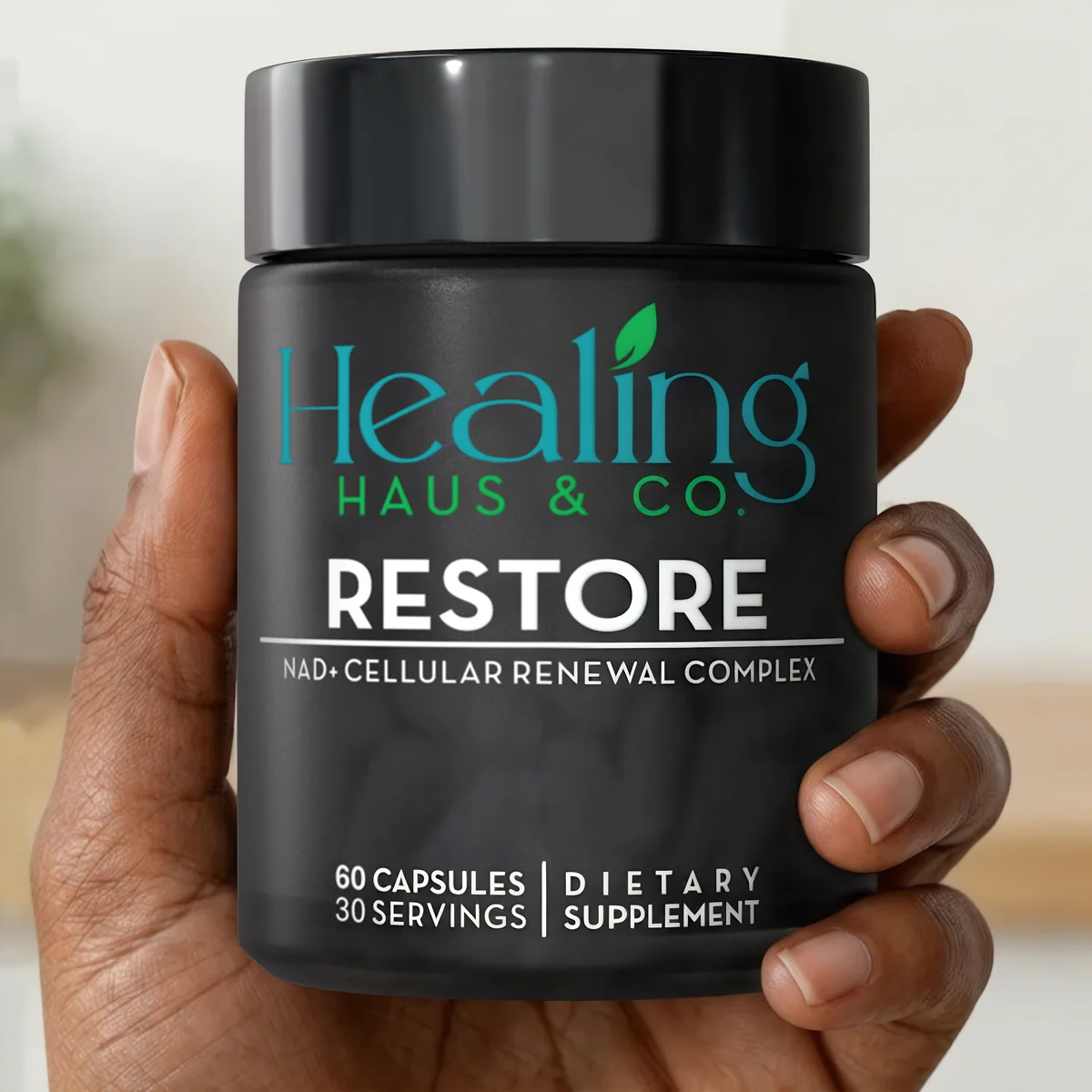
Restore

The Cellular Renewal Cycle

NAD+ fuels → Resveratrol activates sirtuins → Urolithin A clears damaged mitochondria → CoQ10 powers new ones → Pterostilbene amplifies (+47% NAD+ in clinical trial)

Grounded

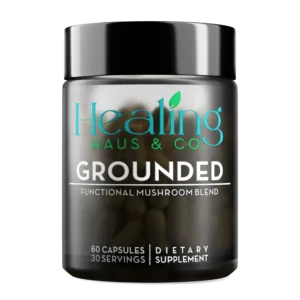
Three Pillars from One Formula

Immunity (Turkey Tail, Shiitake, Maitake) + Vitality (Cordyceps, Lion’s Mane) + Beauty (Tremella, Reishi, Chaga) — 13 species covering what most brands need 3 products to deliver

Research By Product

Select a product to explore the studies behind each ingredient.

NAD+ 300mg

View 4 studies

Nicotinamide adenine dinucleotide is one of the most broadly studied longevity compounds available. It plays a central role in cellular energy generation, redox reactions, and signaling pathways that regulate health span and aging. NAD+ levels decline throughout life — Restore is designed to support them.

NAD+ plays a central role in cellular energy metabolism and helps maintain mitochondrial fitness through pathways connected to sirtuins and metabolic regulation.
https://pmc.ncbi.nlm.nih.gov/articles/PMC4487780/

NAD+ is involved in energy metabolism, DNA repair, inflammation, circadian rhythm, and cellular stress-resistance pathways.
https://www.nature.com/articles/s41392-020-00311-7

Human studies show that NAD+-boosting compounds such as NR and NMN can increase NAD+-related metabolites, supporting their role in NAD+ restoration research. 
https://pmc.ncbi.nlm.nih.gov/articles/PMC10692436/

NAD+ functions as a key cofactor in cellular metabolism and as a substrate for enzymes involved in aging-related repair and regulation pathways.
https://pmc.ncbi.nlm.nih.gov/articles/PMC9512238/

Urolithin A 50mg

View 3 studies

This is the most exciting ingredient in the formula after NAD+ itself. Urolithin A is one of the only compounds clinically shown to trigger mitophagy — the process of clearing out damaged mitochondria and replacing them with healthy ones. It directly supports the cellular renewal story that NAD+ starts.

Urolithin A improved muscle strength, exercise performance, and biomarkers associated with mitochondrial health in a randomized trial of middle-aged adults
https://pmc.ncbi.nlm.nih.gov/articles/PMC9133463

Urolithin A was shown to be safe in humans and induced molecular signatures linked to improved mitochondrial and cellular health.
https://pubmed.ncbi.nlm.nih.gov/32694802/

Urolithin A promotes mitophagy, the natural process of clearing and recycling damaged mitochondria, which is closely tied to muscle and cellular aging. 
https://pmc.ncbi.nlm.nih.gov/articles/PMC10791945/

Pterostilbene 25mg

View 3 studies

Often called the “superior resveratrol,” Pterostilbene has significantly better bioavailability (80% vs. 20%) and a longer half-life (105 minutes vs. 14 minutes) compared to resveratrol. Its two methoxy groups make it more lipophilic, increasing oral absorption and cellular uptake. This is where Restore stands out from competing NAD+ formulas.

Pterostilbene has been studied for antioxidant, anti-inflammatory, and cardiometabolic signaling pathways, though much of the evidence remains preclinical.
https://pmc.ncbi.nlm.nih.gov/articles/PMC11430207/

Pterostilbene, when combined with mitochondrial cofactors, improved mitochondrial function in cellular models of mitochondrial dysfunction.
https://pmc.ncbi.nlm.nih.gov/articles/PMC8971666/

Pterostilbene has been shown in cellular research to modulate mitochondrial–nuclear communication and support mitochondrial stress-response pathways. 
https://pubmed.ncbi.nlm.nih.gov/41459338/

Resveratrol 25mg

View 2 studies

Resveratrol activates sirtuins — the longevity proteins that NAD+ fuels. The two work hand-in-hand: NAD+ provides the fuel and Resveratrol turns the ignition. This is one of the most well-studied ingredient pairings in the longevity space.

Resveratrol improved vascular function and increased mitochondrial number in older adults, while not improving glucose metabolism in the same study.
https://pmc.ncbi.nlm.nih.gov/articles/PMC5861959/

Resveratrol has been studied for mitochondrial protection, mitochondrial biogenesis, and cellular stress-response signaling.  
https://pmc.ncbi.nlm.nih.gov/articles/PMC3123408/

CoQ10 25mg

View 2 studies

Coenzyme Q10 sits directly in the mitochondrial electron transport chain and is essential for converting nutrients into cellular energy. Since mitochondrial energy production is a core benefit of Restore, CoQ10 is a natural and important supporting player — perfectly aligned with the formula’s cellular energy story.

CoQ10 is essential for electron transfer in the mitochondrial respiratory chain and helps produce ATP, the body’s primary cellular energy molecule.
https://www.ncbi.nlm.nih.gov/books/NBK531491/

A meta-analysis of randomized controlled trials found that CoQ10 supplementation was associated with reduced fatigue symptoms.
https://pmc.ncbi.nlm.nih.gov/articles/PMC9449413/

Bacopa Monnieri Extract 400mg

View 3 studies

The most extensively researched botanical nootropic for memory and cognitive function. Bacopa works on memory consolidation — strengthening the process by which short-term information becomes long-term recall.

Bacopa monnieri extract showed potential to improve cognition, particularly speed of attention, across randomized controlled trials.
https://pubmed.ncbi.nlm.nih.gov/24252493/

Standardized Bacopa monnieri extract improved cognitive performance in older adults, supporting its role in memory and healthy cognitive aging research
https://pubmed.ncbi.nlm.nih.gov/18611150/

Bacopa monnieri is commonly studied for memory, learning, attention, and cognitive-performance support, with randomized-trial evidence summarized in clinical reference literature.
https://www.ncbi.nlm.nih.gov/books/NBK589635/

Phosphatidylserine 200mg

View 3 studies

One of the only supplements the FDA has granted a qualified health claim for cognitive function. A phospholipid that makes up brain cell membranes, with strong clinical backing for memory, focus, and slowing age-related cognitive decline.

Phosphatidylserine improved memory function in older adults with memory complaints in a double-blind randomized controlled study. 
https://pmc.ncbi.nlm.nih.gov/articles/PMC2966935/

A phosphatidylserine-containing supplement improved cognitive functions in people with mild cognitive impairment, especially short-term memory.
https://pubmed.ncbi.nlm.nih.gov/39317299/

A supplement formula containing phosphatidylserine significantly improved measures of memory, accuracy, focus, and concentration after 42 days.
https://pmc.ncbi.nlm.nih.gov/articles/PMC10195946/

Ginkgo Biloba 150mg

View 3 studies

One of the most extensively studied botanicals in the world for cognitive health. Ginkgo improves cerebral blood flow, ensuring oxygen and nutrients reach the brain where they’re needed most. It complements Bacopa beautifully — Bacopa works on memory consolidation while Ginkgo improves circulation to deliver the raw materials.

Ginkgo biloba extract was studied for its ability to influence cerebral blood flow, supporting its traditional use in brain circulation and cognitive-performance research.
https://pmc.ncbi.nlm.nih.gov/articles/PMC3163160/

Ginkgo biloba extract has been studied for neuroprotective effects, including memory-support pathways and protection against cognitive decline in preclinical research.
https://pmc.ncbi.nlm.nih.gov/articles/PMC8014356/

Ginkgo biloba has been reviewed for potential support of cerebral blood flow, executive function, attention, concentration, non-verbal memory, and mood. 
https://pubmed.ncbi.nlm.nih.gov/35326176/

Alpha GPC 100mg

View 3 Studies

Resveratrol activates sirtuins — the longevity proteins that NAD+ fuels. The two work hand-in-hand: NAD+ provides the fuel and Resveratrol turns the ignition. This is one of the most well-studied ingredient pairings in the longevity space.

Acute Alpha-GPC supplementation improved cognitive performance in young healthy males, including performance on Stroop testing.
https://pmc.ncbi.nlm.nih.gov/articles/PMC11644786/

Alpha-GPC has been studied as a choline source that may influence motivation and cognitive function through cholinergic pathways.
https://pmc.ncbi.nlm.nih.gov/articles/PMC8235064/

Alpha-GPC is described as enhancing acetylcholine availability in the brain, supporting its role in memory and cognitive-function research.
https://pmc.ncbi.nlm.nih.gov/articles/PMC12714635/

Huperzine A 25mcg

View 3 studies

Small dose, big impact. Huperzine A inhibits the enzyme that breaks down acetylcholine, meaning it extends the life of the choline that Alpha GPC produces — creating a natural synergy within the formula.

Huperzine A is a selective acetylcholinesterase inhibitor, supporting acetylcholine availability involved in memory and learning pathways.
https://pubmed.ncbi.nlm.nih.gov/9051760/

Huperzine A showed potential benefits for cognitive function and daily living measures in clinical studies, though findings should be interpreted cautiously due to study-quality limitations.
https://pmc.ncbi.nlm.nih.gov/articles/PMC8971666/

Huperzine A is studied for acetylcholinesterase inhibition, neuroprotection, and cognitive-support mechanisms.
https://pubmed.ncbi.nlm.nih.gov/41459338/

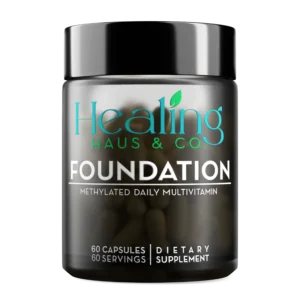
Methylcobalamin B12 + Quatrefolic Folate 

View 2 studies

Foundation uses the superior, methylated forms of B12 and folate. Methylcobalamin is the form your body uses directly — unlike cyanocobalamin, which requires conversion. Quatrefolic (5-MTHF) is the bioactive form of folate, critical for the estimated 40–60% of people with the MTHFR gene variant who can’t properly convert synthetic folic acid.*

Methylfolate and methylcobalamin support methylation pathways involved in homocysteine metabolism and cardiovascular wellness markers.
https://www.mdpi.com/2072-6643/16/11/1550

5-MTHF is the biologically active folate form and can directly enter folate metabolism without requiring conversion from folic acid.
https://pmc.ncbi.nlm.nih.gov/articles/PMC9380836/

Methylcobalamin and folate supplementation reduced homocysteine levels, supporting their role in methylation and one-carbon metabolism. 
https://pubmed.ncbi.nlm.nih.gov/12021520/

Vitamin D3 + K2 (Menaquinone-7) 

View 2 studies

While vitamin D3 increases calcium absorption from the gut, vitamin K2 directs that calcium into bones and teeth where it belongs — and away from arteries and soft tissues where it can cause problems. Foundation uses vegan D3 from lichen (most D3 is derived from sheep’s wool) and MK-7, the most bioactive form of K2.*

Vitamin D supports calcium absorption, while vitamin K helps activate calcium-binding proteins involved in bone mineralization and vascular calcium regulation.
https://pmc.ncbi.nlm.nih.gov/articles/PMC5613455/

One year of MK-7 supplementation showed the greatest vascular benefit in postmenopausal women with higher baseline arterial stiffness. 
https://pubmed.ncbi.nlm.nih.gov/18611150/

Vitamin K2 activates vitamin K–dependent proteins such as osteocalcin and matrix Gla protein, which are involved in bone and vascular calcium balance.
https://pmc.ncbi.nlm.nih.gov/articles/PMC8483258/

Albion Chelated Minerals 

View 2 studies

Albion is the most credentialed ingredient supplier in the supplement industry for mineral bioavailability. Their patented chelation process bonds minerals to amino acids, so your body recognizes the mineral complex as food and absorbs it more efficiently through the intestinal wall — with less gastric upset than standard ionic minerals. Foundation uses Albion’s trademarked forms for Molybdenum and Boron.*

Magnesium diglycinate showed evidence of intact absorption through peptide-transport pathways, supporting the enhanced-absorption rationale for chelated minerals. 
https://pubmed.ncbi.nlm.nih.gov/7815675/

Albion TRAACS minerals are fully reacted mineral amino acid chelates designed for improved bioavailability and digestive tolerability.  
https://balchem.com/hnh/mn/albion-minerals/

CoQ10 50mg

View 2 studies

CoQ10 is one of the most clinically researched supplements for cardiovascular and mitochondrial health. It sits directly in the mitochondrial electron transport chain and is essential for cellular energy production. CoQ10 levels decline naturally with age, making supplementation increasingly relevant over time.*

CoQ10 is essential for electron transfer in the mitochondrial respiratory chain and helps produce ATP, the body’s primary cellular energy molecule.
https://www.ncbi.nlm.nih.gov/books/NBK531491/

A meta-analysis of randomized controlled trials found that CoQ10 supplementation was associated with reduced fatigue symptoms.
https://pmc.ncbi.nlm.nih.gov/articles/PMC9449413/

Alpha Lipoic Acid 50mg

View 2 studies

ALA is a powerful dual-action antioxidant that works in both water-soluble and fat-soluble environments — meaning it can protect cells in ways that single-action antioxidants like vitamin C or E cannot. It also recycles other antioxidants, effectively extending the life of vitamins C, E, and glutathione in your system.*

Alpha lipoic acid functions as an antioxidant and mitochondrial cofactor involved in oxidative metabolism and cellular redox balance.
https://www.ncbi.nlm.nih.gov/books/NBK564301/

Alpha lipoic acid has been studied for its ability to modulate mitochondrial oxidative stress and cellular antioxidant defenses. 
https://pmc.ncbi.nlm.nih.gov/articles/PMC9409376/

Alpha lipoic acid supports mitochondrial function through antioxidant activity, redox signaling, and energy-metabolism pathways.
https://pmc.ncbi.nlm.nih.gov/articles/PMC6914903/

Lutein + Zeaxanthin 3mg +500mcg

View 3 studies

Lutein and zeaxanthin are the only dietary carotenoids that accumulate in the retina, specifically the macula. They act as a natural blue light filter and antioxidant shield for the most light-sensitive tissue in your body. These are two of the most well-researched nutrients in eye health science.*

 Lutein and zeaxanthin increased macular pigment and improved visual-function measures in people with early age-related macular changes.
https://pubmed.ncbi.nlm.nih.gov/22858124/

Six months of lutein and zeaxanthin supplementation improved visual memory and learning in community-dwelling adults with self-reported cognitive concerns.
https://pmc.ncbi.nlm.nih.gov/articles/PMC8891800/

Lutein and zeaxanthin supplementation appeared to support neurocognitive function partly through changes in cerebral perfusion
https://pubmed.ncbi.nlm.nih.gov/28695791/

Lycopene 500mcg

View studies

Lycopene from tomato is an emerging protective antioxidant with growing research across cardiovascular and cellular health. While present at a supporting dose in Foundation, it adds to the formula’s comprehensive antioxidant profile.*

Oral lycopene supplementation helped protect human skin against UV-induced stress responses in a double-blind placebo-controlled study.
https://pubmed.ncbi.nlm.nih.gov/27662341/

Lycopene has been studied for cardiovascular wellness markers, including oxidative stress, lipid oxidation, and vascular function.
https://pmc.ncbi.nlm.nih.gov/articles/PMC6145244/

Lycopene supplementation at higher daily intakes was associated with reductions in LDL cholesterol and systolic blood pressure in meta-analysis data. 
https://www.ncbi.nlm.nih.gov/books/NBK81708/

Turkey Tail 300mg

View studies

Tied with Lion’s Mane as the highest-dosed mushroom in the formula and arguably the most research-backed mushroom for immune support in existence. Turkey Tail contains PSK and PSP polysaccharides — among the most studied immunomodulatory compounds in natural medicine.

Turkey Tail has been studied for immune support, with evidence showing increased natural killer cell activity and lymphocyte-related immune markers after supplementation. 
https://pmc.ncbi.nlm.nih.gov/articles/PMC4890100/

Turkey Tail contains polysaccharides and beta-glucans that are studied for immune-system modulation and immune-cell activation.
https://www.ncbi.nlm.nih.gov/books/NBK424937/

Lion’s Mane 300mg

View studies

The cognitive mushroom. Lion’s Mane supports nerve growth factor (NGF) production and has been studied for both cognitive performance and stress reduction. At 300mg, it’s dosed at a level consistent with research protocols.

Lion’s Mane has been studied for cognitive performance and stress-response outcomes in healthy adults.
https://pubmed.ncbi.nlm.nih.gov/38004235/

Lion’s Mane supplementation improved cognitive-function scores in older adults, supporting its role in memory and healthy cognitive aging research.
https://pubmed.ncbi.nlm.nih.gov/31413233/

 Lion’s Mane supplementation showed potential benefits for speed of performance and subjective stress in healthy young adults. 
https://pmc.ncbi.nlm.nih.gov/articles/PMC10675414/

Tremella 50mg

View 2 studies

The star of the “beauty from within” angle. Tremella mushroom shares the ability to hold up to 500 times its weight in water, creating a flexible hydration film on the skin — and its longer chain molecular structure makes it more robust and resilient than hyaluronic acid. Tremella alone could anchor an entire marketing campaign.

Tremella fuciformis has been studied for skin hydration, barrier support, photoprotection, wound-healing pathways, and skin-aging support.
https://pubmed.ncbi.nlm.nih.gov/36757441/

Tremella polysaccharides protected human dermal fibroblast cells from UVA-induced oxidative damage in cellular research.
https://pubmed.ncbi.nlm.nih.gov/33686752/

The “mushroom of immortality” in traditional Chinese medicine. Reishi’s triterpenoids modulate inflammation through suppression of NF-kB activation, supporting both immune balance and skin barrier health.

Reishi contains polysaccharides and triterpenes studied for immune modulation, antioxidant activity, and liver-support pathways.
https://www.ncbi.nlm.nih.gov/books/NBK92757/

Reishi bioactives have been investigated for antioxidant, anti-inflammatory, and immunomodulatory activity.
https://pmc.ncbi.nlm.nih.gov/articles/PMC12108272/

Reishi polysaccharides, triterpenoids, peptides, and sterols are studied for immune, antioxidant, and cellular-protective mechanisms. 
https://pmc.ncbi.nlm.nih.gov/articles/PMC12256279/

Cordyceps 100mg

View studies

The energy and performance mushroom. Cordyceps supports ATP production and oxygen utilization, adding a vitality and active lifestyle angle to Grounded that other adaptogen supplements can’t claim.

Cordyceps supplementation has been studied in humans for faster resolution of exercise-induced muscle damage.
https://pubmed.ncbi.nlm.nih.gov/38501161/

Cordyceps militaris enhanced exercise performance in preclinical research by upregulating ATP-generation pathways.
https://pmc.ncbi.nlm.nih.gov/articles/PMC7717596/

A Cordyceps-containing mushroom blend improved oxygen kinetics and may help delay fatigue during aerobic exercise. 
https://pmc.ncbi.nlm.nih.gov/articles/PMC4594151/

The antioxidant king. Chaga holds the highest ORAC (antioxidant capacity) score of any natural food — 6.5 times more than acai berry.

Chaga is rich in bioactive compounds studied for antioxidant, anti-inflammatory, immune-modulating, and cellular-protective activity. 
https://pmc.ncbi.nlm.nih.gov/articles/PMC11132974/

Chaga polysaccharides have been studied for antioxidant, immune-support, anti-fatigue, and metabolic-health mechanisms.
https://pmc.ncbi.nlm.nih.gov/articles/PMC8124789/

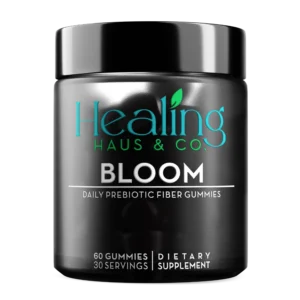
Pectin & Agar Agar

View studies

Plant-based gelling agents. Fully vegan

Pectin, as a soluble dietary fiber, improved constipation-related outcomes including colonic transit time, stool symptoms, and gut microbiota markers in adults with slow-transit constipation.
https://pubmed.ncbi.nlm.nih.gov/25623312/

Agar, a soluble-fiber-rich gelling agent, delayed gastric emptying in humans, supporting its role as a viscous fiber that can influence digestion and satiety. 
https://pubmed.ncbi.nlm.nih.gov/23872837/

Tapioca Starch

View studies

Clean, allergen-friendly binder.

Resistant starch can reach the colon where gut bacteria ferment it into short-chain fatty acids that support gut and colon health. 
https://pmc.ncbi.nlm.nih.gov/articles/PMC10819196/

Tapioca-derived resistant starch has been studied for microbiota modulation, antioxidant activity, and anti-inflammatory effects in preclinical metabolic research. 
https://pubmed.ncbi.nlm.nih.gov/39778852/

Chlorophyll & Black Carrot Juice

View studies

Natural coloring. Zero synthetic dyes.

Chlorophyll compounds are studied for antioxidant activity and digestive transformation into bioactive derivatives during digestion. 
https://pmc.ncbi.nlm.nih.gov/articles/PMC10384064/

Black carrot anthocyanins and phenolic acids are studied for antioxidant and inflammation-modulating activity, which may support gut and cellular health.
https://pmc.ncbi.nlm.nih.gov/articles/PMC11605781/

Coconut Glaze

View studies

Clean finish coat. No synthetic waxes.

Dietary lipids can affect polyphenol bioaccessibility and microbiome activity during digestion, making lipid-based ingredients relevant to how plant compounds behave in the gut.
https://www.mdpi.com/2076-3921/9/8/762

Ready to Build Your Stack?

Take the quiz to find out which products are right for you – or explore our bundles!